

Premium hybrid caladium plants developed for stronger color patterns, unique leaf shapes, and stable plant growth.
Selected for collectors and international plant buyers.
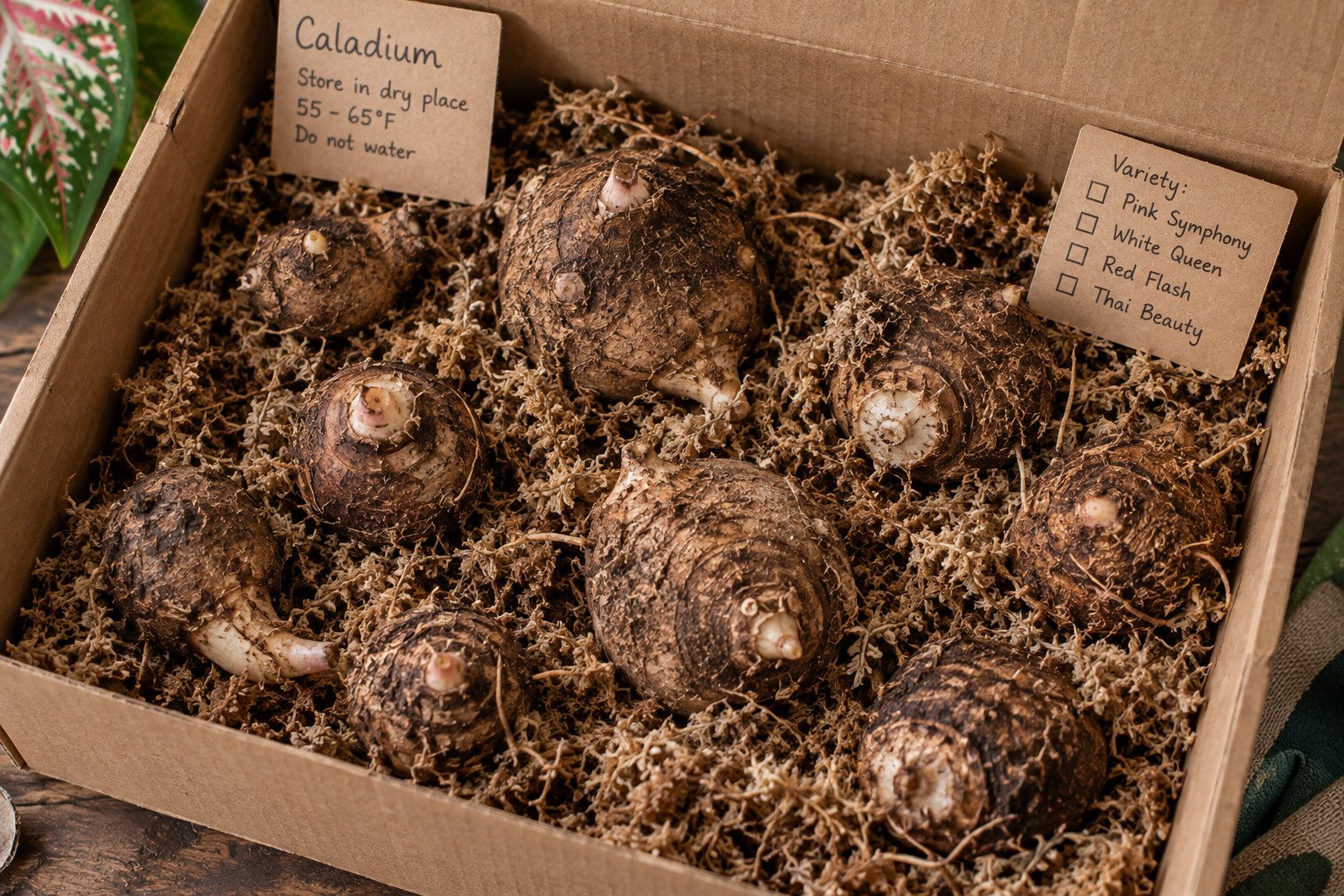
Spotting caladium pests and diseases early is what separates a quick fix from a lost plant. Because caladium leaves are thin and tender, they’re especially vulnerable to sap-sucking insects and fungal rot — but most problems are manageable once you know exactly what you’re dealing with.
Insect pests are usually the first sign something’s wrong, and each one leaves a slightly different clue:
If you’re noticing distorted or curling leaves, it’s worth cross-checking against the other causes covered in why are my caladium leaves curling, since pests are only one possible cause.
Diseases tend to show up as discoloration, lesions, or rot rather than visible insects:
Most fungal diseases and several pest issues trace back to excess moisture, whether from overwatering, poor drainage, or high humidity with little airflow. Before treating any specific symptom, check that your caladium isn’t sitting in soggy soil or a pot without drainage holes — this single fix often prevents problems from recurring.
Start with the least invasive option and escalate only if needed:
Regular inspection during routine cleaning also helps catch pests early — see how to clean caladium leaves without damaging them for a safe method.
Once a fungal or bacterial disease is confirmed, act quickly to stop it from spreading:
Prevention is far easier than treatment with caladiums. Good drainage, appropriate watering, and adequate spacing between plants for airflow address the majority of pest and disease risks before they take hold — the same fundamentals covered in how to care for caladium plants like a professional. If you’re storing tubers over the off-season, curing them properly also matters, as covered in how to store caladium tubers for winter, since damp storage conditions are a common cause of tuber rot.
Unfortunately, some diseases — particularly advanced Fusarium tuber rot — have no reliable cure once established. If a plant shows severe, spreading rot or repeated disease despite treatment, it’s usually best to remove and discard it entirely to protect the rest of your collection, and sterilize any pots or tools that touched it.
Pests usually leave visible insects, webbing, or chew marks, while diseases tend to show up as spots, lesions, mold, or soft, rotting tissue without any visible bugs.
Contact Us