

Premium hybrid caladium plants developed for stronger color patterns, unique leaf shapes, and stable plant growth.
Selected for collectors and international plant buyers.
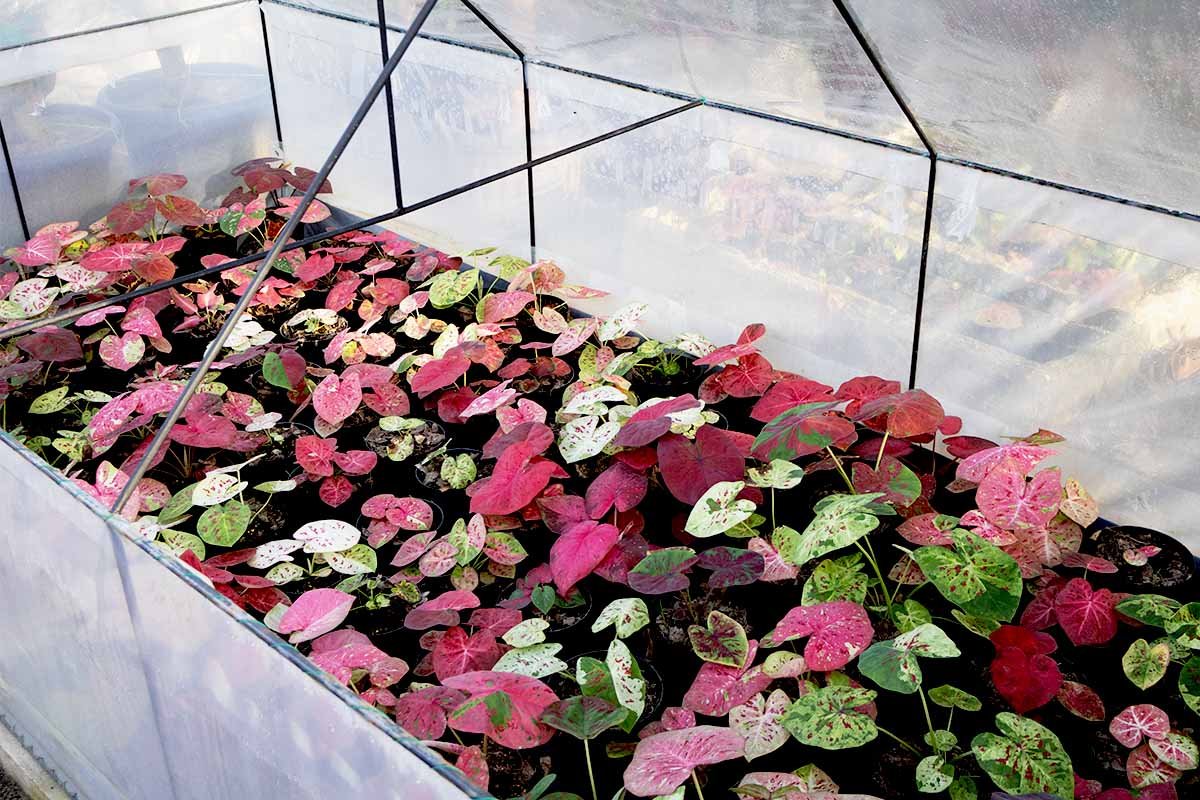
Yellow leaves are one of the most common concerns among Caladium plant owners. Seeing your once vibrant foliage slowly lose its color can be worrying, especially if you don’t know what caused the problem. Fortunately, yellow leaves do not always mean your Caladium is dying. In many cases, the issue is caused by environmental conditions or simple care mistakes that can easily be corrected.
Caladium plants are tropical ornamentals known for their colorful heart-shaped leaves. Because their foliage is the main attraction, even small changes in color become noticeable. Understanding the causes of yellow leaves is the first step toward restoring your plant’s health and encouraging new, vibrant growth.
Overwatering is responsible for more yellow Caladium leaves than almost any other issue. Although Caladiums enjoy moist soil, they should never sit in water for long periods. Excess moisture reduces oxygen around the roots, eventually causing root rot. As the roots weaken, the leaves begin turning yellow.
If the soil stays wet for several days, smells unpleasant, or the stems become soft, overwatering is likely the problem.
Allow the soil to dry slightly before watering again and always use a pot with proper drainage.
Watering too little may also cause yellow leaves. When the roots cannot absorb enough moisture, older leaves begin to lose color before drying out completely.
Check the soil regularly. If it feels dry several centimeters below the surface, water the plant thoroughly until excess water drains from the bottom of the pot.
Caladiums naturally grow beneath tropical tree canopies where sunlight is filtered. Strong afternoon sunlight can burn the delicate leaves, causing yellow patches followed by brown edges.
Move your Caladium to a location that receives bright, indirect light or gentle morning sun for healthier growth.
Healthy foliage requires essential nutrients such as nitrogen, potassium, and magnesium. Without them, leaves gradually lose their rich color and become pale yellow.
Applying a balanced fertilizer during the active growing season helps maintain healthy foliage and supports continuous leaf production.
Even with proper watering, heavy soil that holds too much water can damage the roots. Professional growers use light, well-draining growing media that allow excess water to escape while still retaining enough moisture for healthy growth.
A mixture containing coco peat, compost, perlite, and pine bark provides excellent drainage while supplying oxygen to the roots.
Not every yellow leaf is a sign of disease. Caladiums naturally enter dormancy when temperatures become cooler or daylight hours decrease. During this period, older leaves gradually yellow and die back while the tuber stores energy for the next growing season.
Reduce watering during dormancy and allow the plant to rest naturally.
Spider mites, aphids, and thrips feed on plant sap, causing yellow spots and weakened foliage. Regularly inspect the underside of the leaves because many pests hide where they are difficult to notice.
Treat infestations early using neem oil or insecticidal soap to prevent further damage.
Constant moisture combined with poor airflow creates ideal conditions for fungal diseases such as root rot and leaf spot. These infections often begin with yellow leaves before spreading further.
Improve air circulation, remove infected leaves, and avoid watering directly onto the foliage.
Sudden temperature changes, low humidity, or moving the plant to a new location can temporarily stress a Caladium. While the plant usually recovers, the leaves may yellow during the adjustment period.
Maintain consistent growing conditions whenever possible to minimize stress.
Yellow Caladium leaves are often an early warning rather than a sign that the plant is dying. By identifying the underlying cause and making the necessary adjustments, most plants recover and continue producing healthy new foliage. Consistent watering, well-draining soil, proper lighting, and regular inspections are the keys to keeping your Caladium vibrant throughout the growing season.
Contact Us